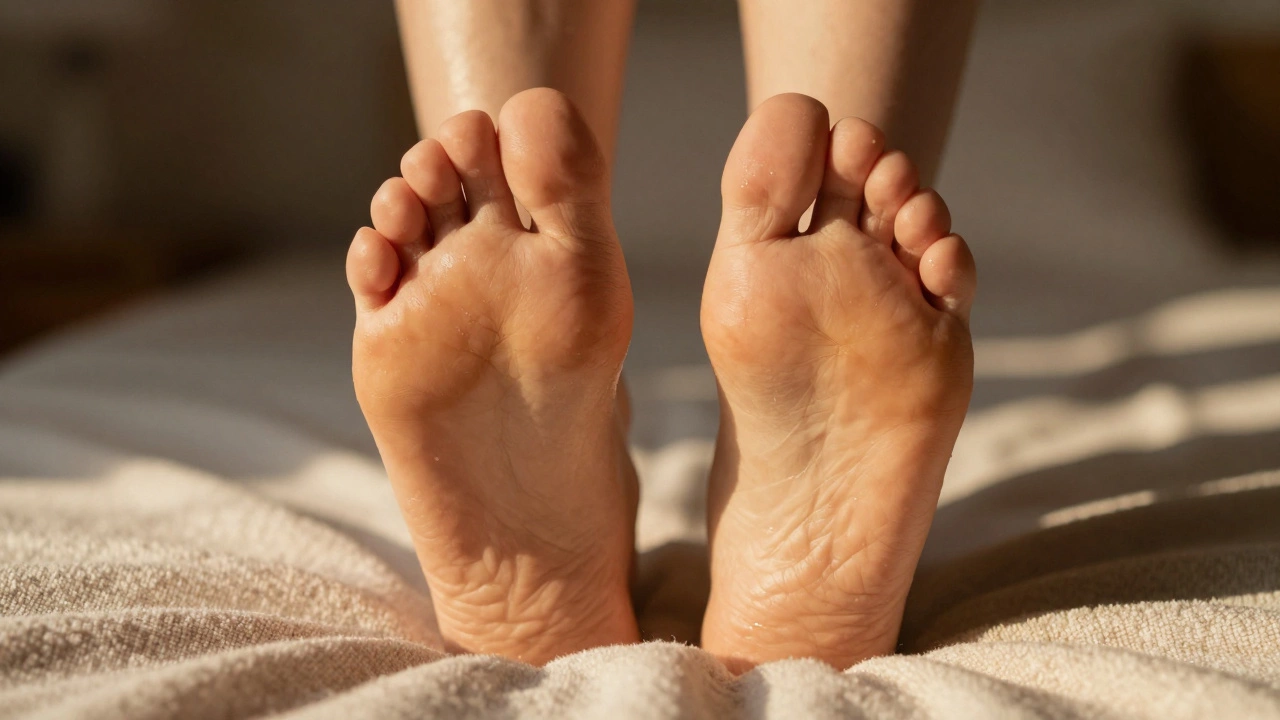
Why do some people feel a strong pull toward feet? It’s not just about looks. For many, it’s the shape, the texture, the way toes curl when relaxed, or even the scent that triggers a deep emotional or physical response. Foot fetishes are one of the most common sexual preferences worldwide, yet they’re rarely talked about openly. Studies suggest that up to 1 in 10 people experience some level of attraction to feet, and for a smaller group, it’s a core part of their sexual identity. The brain doesn’t always follow logic-sometimes, it just connects dots in unexpected ways.
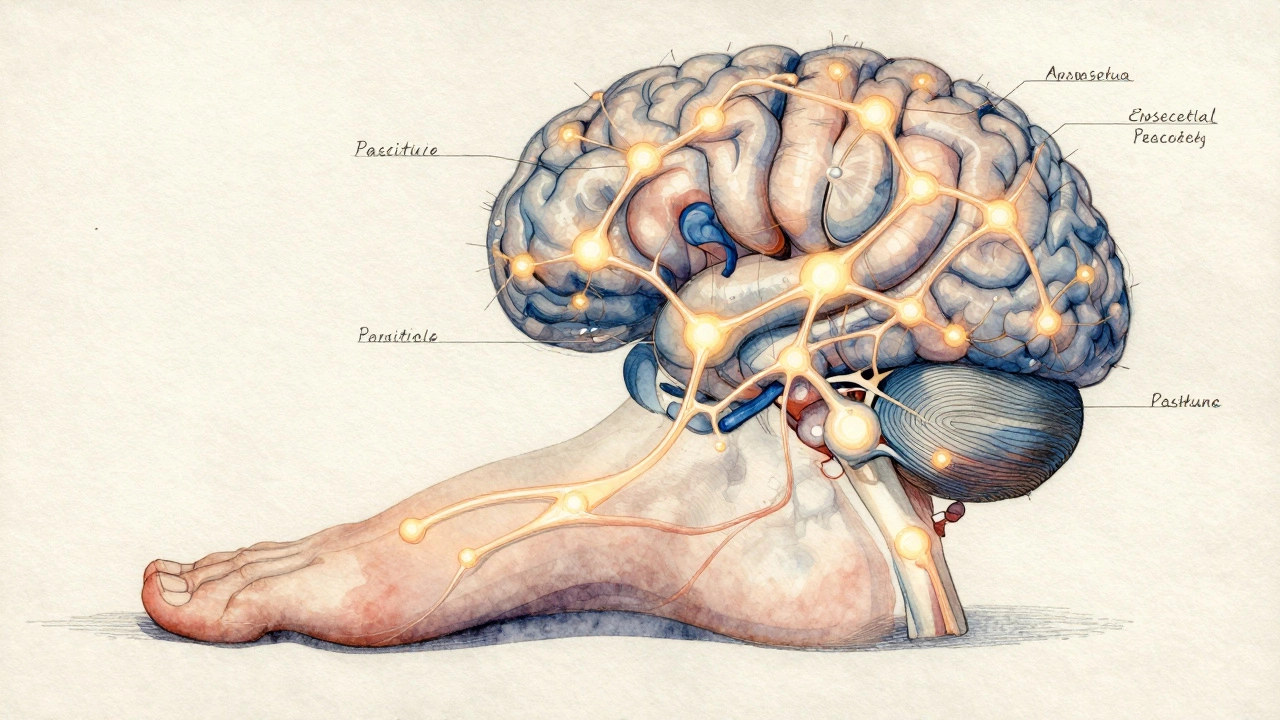
One reason feet become so compelling has to do with how the brain maps the body. The sensory cortex, the part of the brain that processes touch, has a surprisingly large area dedicated to the feet. That means feet send a lot of sensory signals to the brain. In some people, those signals cross paths with areas linked to arousal. It’s not a glitch-it’s wiring. And while this might sound strange to outsiders, for those who experience it, the attraction feels as natural as liking a certain voice or scent. Some even say they find feet more intimate than faces. In fact, if you’ve ever scrolled through niche forums or seen fetish art, you’ve likely noticed how detailed and personal these preferences can be. For those exploring this side of sexuality, resources like girl escort uk offer discreet, consensual spaces to understand these dynamics in real life.
How Foot Fetishes Develop
There’s no single cause for a foot fetish, but early experiences often play a role. Think about childhood. Maybe a child saw a parent’s bare feet after a long day, noticed how soft the skin felt, or was comforted by the warmth of someone’s feet against theirs. These moments aren’t inherently sexual-but if they’re paired with feelings of safety, pleasure, or excitement, the brain can start to link feet with emotional reward. This is called associative learning, and it’s how many fetishes form.
It’s also common for people to develop a foot fetish during puberty, when the brain is hyper-sensitive to new sensory experiences. A fleeting glance, a casual touch, or even a photo seen online can become a powerful trigger if it coincides with the first surge of sexual feelings. Over time, that image or sensation gets reinforced. It’s not about the foot itself-it’s about what the foot represents: intimacy, vulnerability, control, or release.
What’s interesting is that foot fetishes don’t usually start as fantasies about domination or submission. They begin as simple, quiet fascination. The erotic element comes later, often through repetition and emotional association.
Why Feet Over Other Body Parts?
Why feet and not hands? Why not ears or hair? It comes down to accessibility and anonymity. Feet are often exposed-sandals, socks, barefoot walks-making them easy to notice. Unlike other body parts, feet aren’t typically sexualized in mainstream media, so their allure feels private, almost forbidden. That secrecy adds to the attraction.
Feet also offer a wide range of textures and shapes. The arch, the ball, the heel, the toes-all can be different in ways that feel unique to each person. Some like the way toes wiggle. Others are drawn to the curve of the sole or the faint scent of skin after a long day. It’s tactile, personal, and deeply individual. For many, it’s the contrast between the ordinary and the intimate that makes feet so magnetic.
Compare that to other fetishes-like those focused on clothing or specific body types-and you’ll see feet are different. They’re not about status, power, or aesthetics alone. They’re about presence. A pair of feet can tell a story: where someone’s been, how they’ve moved, how tired they are. That narrative adds depth.
The Role of Culture and Media
Culture shapes what we find attractive, even if we don’t realize it. In many societies, feet have been symbols of both purity and sensuality. Ancient Egyptians painted feet on tomb walls as signs of status. In Japan, foot worship was part of traditional rituals. In modern Western media, feet appear in fashion ads, music videos, and even romantic comedies-often subtly, never labeled as fetishistic.
But online culture has changed everything. Social media, fetish blogs, and niche communities have made foot attraction more visible than ever. People now share photos, videos, and stories without shame. This openness has helped normalize the fetish for many, turning it from something hidden into a shared experience. It’s no longer just about secrecy-it’s about connection.
That’s also why terms like uk glamour girls escort have started appearing in search results. They’re not directly about feet, but they’re part of a larger ecosystem where body preferences are explored openly. For some, these services offer a way to safely explore attraction without judgment. The key is consent, respect, and clear boundaries.
Is It Normal?
If you’re attracted to feet, you’re not broken. You’re not weird. You’re not alone. Mental health professionals classify foot fetishes as a form of paraphilia only when they cause distress or interfere with daily life. For most people, it’s just another preference-like preferring coffee over tea, or classical music over pop.
The real issue isn’t the attraction itself. It’s the shame people feel because society doesn’t talk about it. Many hide their feelings for years, afraid of being judged or misunderstood. That isolation is what causes harm-not the fetish.
Therapists who specialize in sexual health say the healthiest approach is self-acceptance. If your attraction to feet doesn’t hurt anyone and brings you joy, it’s perfectly valid. The goal isn’t to change it. It’s to understand it.
What About Consent and Boundaries?
Like any sexual preference, foot attraction must always be consensual. You can’t touch someone’s feet without permission. You can’t pressure someone into being photographed or filmed. And you certainly can’t assume that because someone is a model or performer, they’re open to all kinds of attention.
Many people who enjoy foot-related experiences use professional services to explore their interests safely. That’s where terms like euro escort uk come in. These aren’t random ads-they’re part of a regulated industry where clients and workers set clear rules. For some, it’s the only way to experience their attraction without guilt or risk.
The bottom line? Respect is non-negotiable. Whether you’re exploring your own feelings or engaging with others, consent, communication, and boundaries are the foundation.

How to Explore Your Feelings Healthily
If you’re curious about your attraction to feet, start by observing it without judgment. Ask yourself: When did I first notice this? What exactly draws me in? Is it the look, the feel, the memory, or something else?
Journaling can help. Write down your thoughts. Don’t censor them. Over time, patterns will emerge. You might realize your attraction is tied to relaxation, nostalgia, or even a sense of control.
Joining online communities can also help. There are safe, moderated forums where people share stories, art, and advice. You don’t have to reveal your identity. Just listen. You’ll find others who feel the same way.
If you want to act on your feelings, start small. Talk to a partner. Set clear limits. Use toys or props if it helps. Or consider professional services where everything is negotiated upfront. The goal isn’t to rush into anything-it’s to explore with awareness.
Final Thoughts
Feet are just feet. But to some, they’re so much more. They’re a source of comfort, desire, and connection. There’s nothing wrong with that. Society may not understand it, but human attraction has always been messy, personal, and unpredictable.
The key isn’t to explain it away. It’s to accept it. Whether you’re someone who’s always felt this way, or you’re just starting to wonder why feet captivate you so much, know this: your feelings are valid. And you’re not alone.