Humor Characteristics: Why We Laugh and How It Works
Ever wonder why a simple line can crack a room open? The answer lies in a few key humor characteristics that most jokes share. When you get those basics right, you can turn a bland story into something that people actually enjoy sharing.
1. Surprise and Incongruity
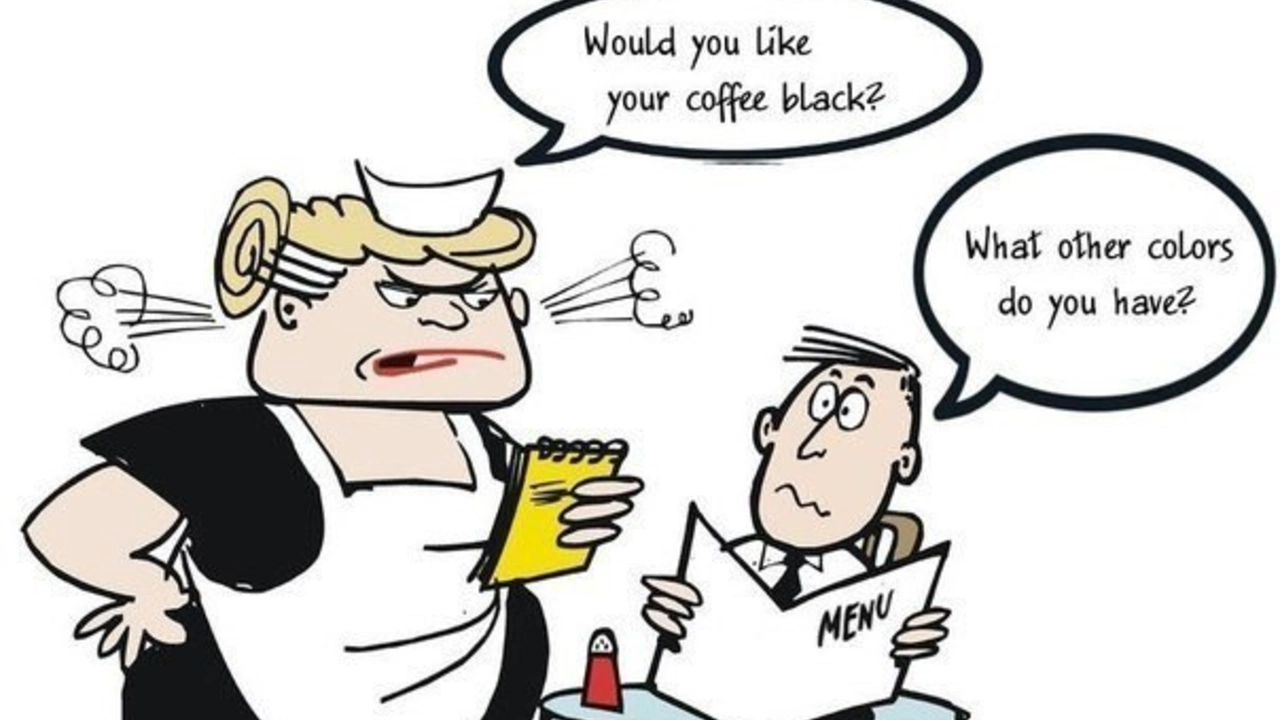
The brain loves a surprise. A joke that flips expectations in a quick, unexpected way triggers a laugh. Think about a punchline that starts one way and ends somewhere totally different. That sudden shift is the spark that lights the funny bone. To use this, set up a clear picture, then pull the rug out from under it with a twist.
2. Timing and Brevity
Good humor doesn’t ramble. Short, punchy lines keep the audience’s focus and give the surprise quicker impact. Pauses matter too – a beat before the punchline lets the listener fill in the missing piece, making the reveal feel bigger. When writing, trim unnecessary words and place a pause where the joke lands.
Another big piece is relatability. If people see a bit of their own life in the joke, the laugh comes easier. A quick story about missing the bus, for example, works because most of us have been there. Blend that everyday detail with an absurd twist and you’ve got a solid laugh.
Playful language also helps. Exaggeration, wordplay, and absurd images paint vivid pictures that stick in the mind. A phrase like “my coffee was so strong it tried to file a complaint” combines exaggeration with a funny visual, making the line memorable.
When you mix these traits—surprise, timing, brevity, relatability, and playful language—you create a joke that lands. Try writing a short scene, then ask yourself: Is the setup clear? Does the punchline flip expectations? Is there a natural pause before the laugh?
Testing your humor is easy. Share the line with a friend or read it aloud. If they grin, you’re on the right track. If not, tweak the setup or shorten the line until the reaction feels natural.
Remember, humor isn’t a one‑size‑fits‑all. Different audiences respond to different styles—some love dry sarcasm, others prefer slapstick. Knowing your audience lets you pick the right characteristic to highlight.
So next time you write a post, a caption, or even a casual comment, think about these humor characteristics. A quick surprise, tight timing, and a relatable twist can turn a simple sentence into something people want to share. Happy laughing!
- Jul 23, 2023
- Finnegan Westbrook
- 0 Comments
What's a classic example of Texan sense of humor?
In my experience, there's nothing quite like a classic Texan sense of humor. It's typically characterized by a love for tall tales, witty sarcasm, and a dash of self-deprecation. Often, they'll use their unique Texan experiences, like dealing with unpredictable weather or their love for Texas itself, as comedic material. A perfect example would be the common joke, "In Texas, we don't call 911; we call 1-800-TEXAS," poking fun at their renowned self-reliance. The charm of a Texan joke lies in its ability to laugh at itself while also showcasing their deep pride in their home state.