Feelings in Sports – Why Emotions Matter on the Field and Off It
When you think about sports, the first things that pop up are scores, records, and big wins. But behind every victory or loss is a bundle of feelings that drive performance, shape decisions, and affect the whole community. Whether it’s a player dealing with hormonal changes, a fan coping with a tough season, or a coach managing stress, emotions are the hidden engine of sport.
Understanding those feelings isn’t just a feel‑good exercise; it’s essential for better health, stronger teams, and a more inclusive sports culture. Below we look at the most common emotional hurdles athletes face, real‑world stories from our tag archive, and simple steps anyone can take to keep mental wellbeing in the game.
Emotional Challenges on and off the Field
Many athletes fight battles that don’t show up on a scoreboard. Hormonal shifts, like the menopause episode shared by TV personality Penny Lancaster, can spark sudden outbursts or low mood that mimic depression. The key is recognizing the source – a hormone swing, a tight schedule, or a stressful home environment – and getting the right support.
In team sports, the pressure to perform can turn excitement into anxiety. A college football player preparing for a big game might feel a mix of pride and nervousness, which is normal, but if the nerves turn into panic, it can hurt both health and performance. Knowing when to breathe, talk to a teammate, or seek a sports psychologist makes a huge difference.
Fans aren’t immune either. Watching a favorite team lose can trigger frustration, sadness, or even anger. Those feelings echo in daily life, affecting sleep and mood. Recognizing that a loss is a temporary event helps keep perspective and prevents a bad game from ruining a whole week.
Real Stories from the Community
Our tag page collects diverse experiences that show how feelings intersect with sport. The article about playing college football while serving in the military highlights the double‑duty stress that comes from juggling service commitments and game practice. The story advises clear time blocks and open communication with both coaches and commanding officers to avoid burnout.
Another post explains why some professional leagues, like the NBA and MLB, offer guaranteed contracts – a financial safety net that eases anxiety about income stability. Knowing you’ll get paid even if you’re injured lets players focus on recovery instead of worrying about the next paycheck.
We also have a piece questioning whether popular sports are “rigged.” While the fear of unfair play can cause distrust, the article points out that most outcomes still depend on player effort. Understanding the rules and seeing through conspiracy theories can lessen frustration and keep enjoyment alive.
These stories aren’t isolated; they reflect everyday emotions that anyone involved in sport might feel. The common thread is the need for open conversation, professional help when needed, and practical coping tools.
So, what can you do right now? First, name the feeling – anger, anxiety, excitement, or sadness. Second, share it with a teammate, coach, or friend. Third, try a quick reset: deep breaths, a short walk, or a splash of cold water. Small actions can turn a stressful moment into a chance to grow.
Remember, feelings are part of the game just like training drills and playbooks. By paying attention to them, you protect your health, boost performance, and keep the love of sport alive for yourself and the community.
- Jul 30, 2023
- Finnegan Westbrook
- 0 Comments
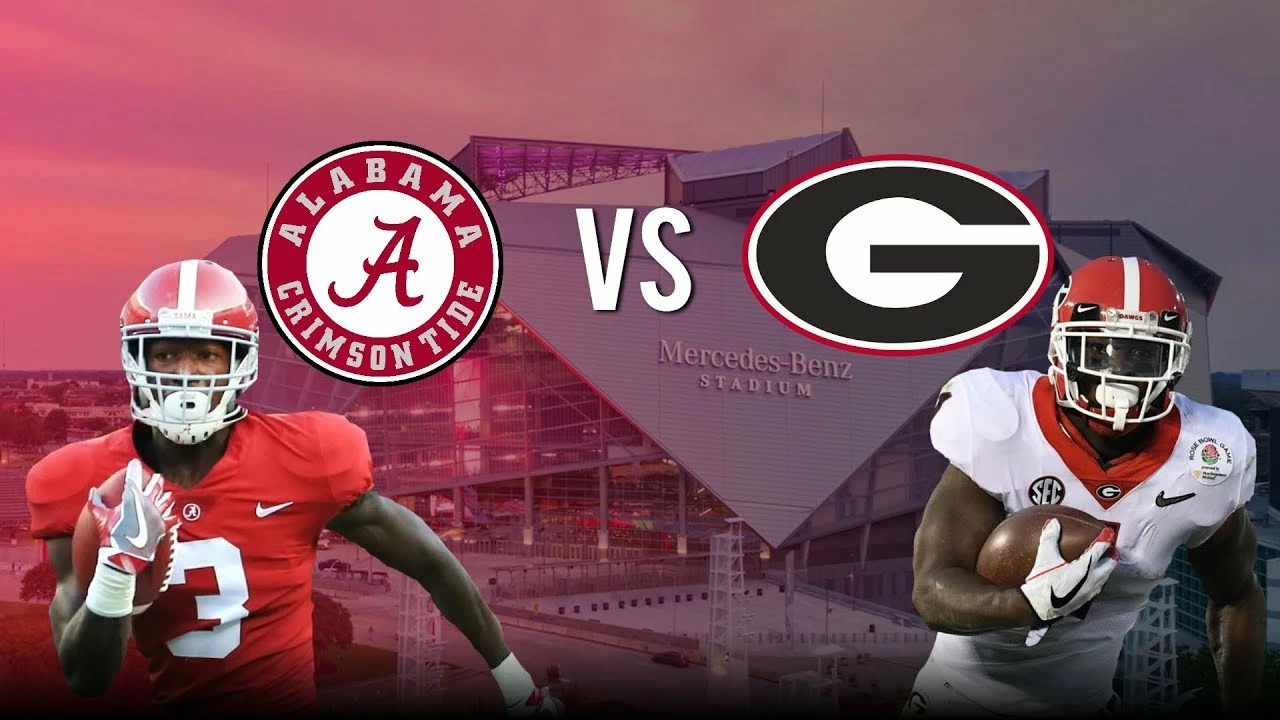
How to feel about Alabama beating Georgia?
Well, folks, as a blogger, I gotta tell ya, the Alabama vs Georgia game was a real rollercoaster! If you're on the Alabama side, you're probably grinning like a possum eatin' a sweet potato. But for the Georgia fans, it's a bit like finding a worm in your apple - unpleasant, unexpected, and leaves you with a sour taste. But don't worry, Georgia peaches, there's always next season! Remember, the sun doesn't shine on the same dog's tail every day.

- Feb 13, 2023
- Finnegan Westbrook
- 0 Comments
How to feel about LeBron James?
LeBron James is one of the most successful professional basketball players of all time. He has achieved many awards, including four MVPs, three NBA Championships, and two Olympic gold medals. His impact on the game of basketball is undeniable, and he is considered to be one of the best players in NBA history. Many people have strong opinions about LeBron James, both positive and negative, and it is up to the individual to decide how to feel about him. Ultimately, LeBron James has had a major impact on the game of basketball and his legacy will be remembered for years to come.