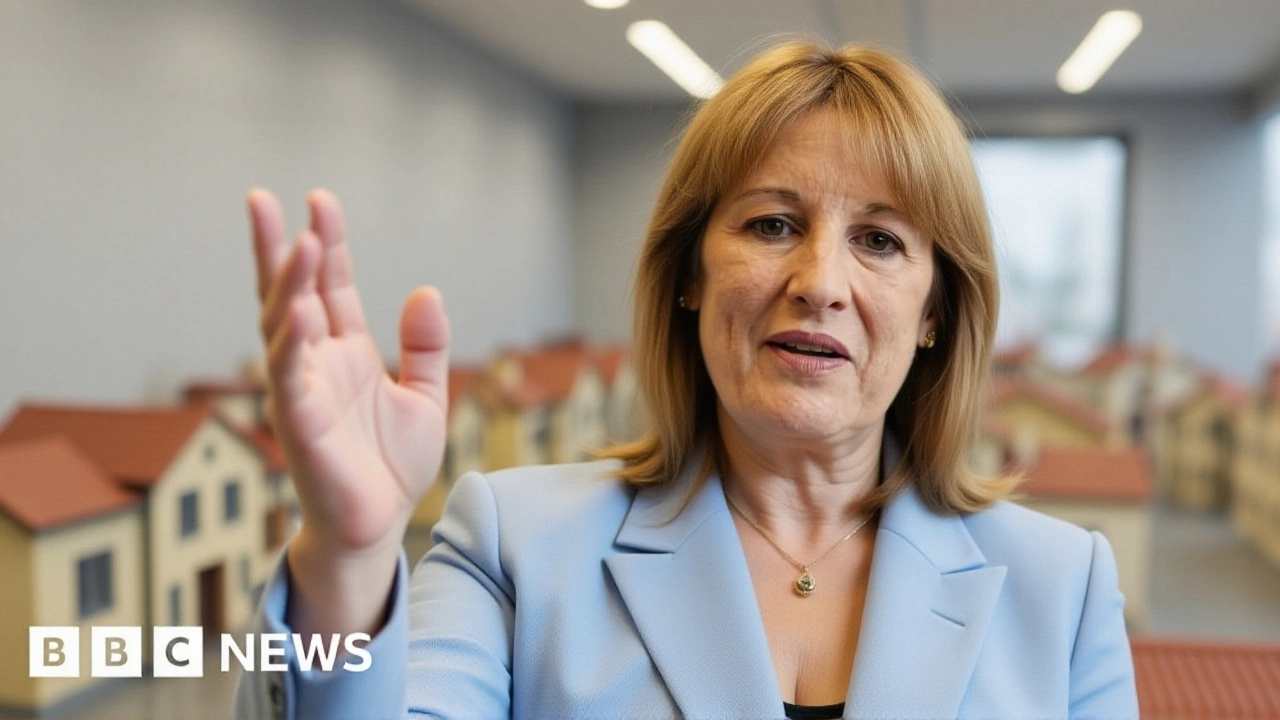
When Rachel Reeves stood at the despatch box in the House of Commons on November 26, 2025, she didn’t just present a budget—she rewrote the social contract for millions of British workers. The UK Treasury announced £26 billion in new taxes, most of it hidden in plain sight: frozen income tax thresholds, a new levy on luxury homes, and a cap on pension contributions. The result? A middle-class family with two earners will pay £1,600 more over two years—not because they got a raise, but because the rules changed while their paychecks rose with inflation. It’s not a tax increase on paper. It’s a tax increase on reality.
How Fiscal Drag Is Quietly Taking Your Paycheck
The most consequential move? Extending the freeze on income tax thresholds until 2030. The basic rate threshold stays locked at £12,570. The higher rate? Still £50,270. That means if you earn £51,000 today, you’re just over the line. But next year, when your salary rises 3% to £52,530 thanks to inflation, you’re suddenly in the 40% bracket—without ever asking for a promotion. The Office for Budget Responsibility confirmed this fiscal drag will push 8.9 million people into higher tax brackets by 2030. That’s not a glitch. It’s policy. And it’s raising £8 billion a year—more than any other single measure in the budget.
What makes this so insidious? You don’t get a letter. No public debate. Just a quiet shift in the tax code that turns hard-working nurses, teachers, and engineers into higher-rate taxpayers—even as their real wages stagnate. A pensioner earning £48,000 from savings and a part-time job? Now paying 40%. A mid-level manager in Manchester? Same deal. The system isn’t broken. It’s being deliberately tightened.
The Mansion Tax: When Your Home Becomes a Liability
Then there’s the so-called “mansion tax.” Starting in 2026, homes valued above £2 million will be revalued into council tax bands F, G, and H. The Times reports some owners could see bills jump to over £6,000 a year. That’s not a one-off charge. It’s annual. And it’s not just for billionaires. In London, Surrey, and parts of Oxfordshire, homes bought 15 years ago for £1.2 million are now worth £2.3 million. Many of those owners are retired professionals, not hedge fund managers. Now, they’re being asked to pay more for local services—because their house appreciated in value. The government calls it “fairness.” Critics call it a wealth tax disguised as council tax.
Real estate agents are already warning of a chilling effect. Why sell a home if you’ll be hit with a £6,000 tax bill the moment you move? Why buy one if you might be trapped in a tax trap? This isn’t just about equity—it’s about liquidity. And it’s reshaping how Britain’s wealthiest households plan their futures.
Pensions, ISAs, and the Hidden Cost of ‘Investing More’
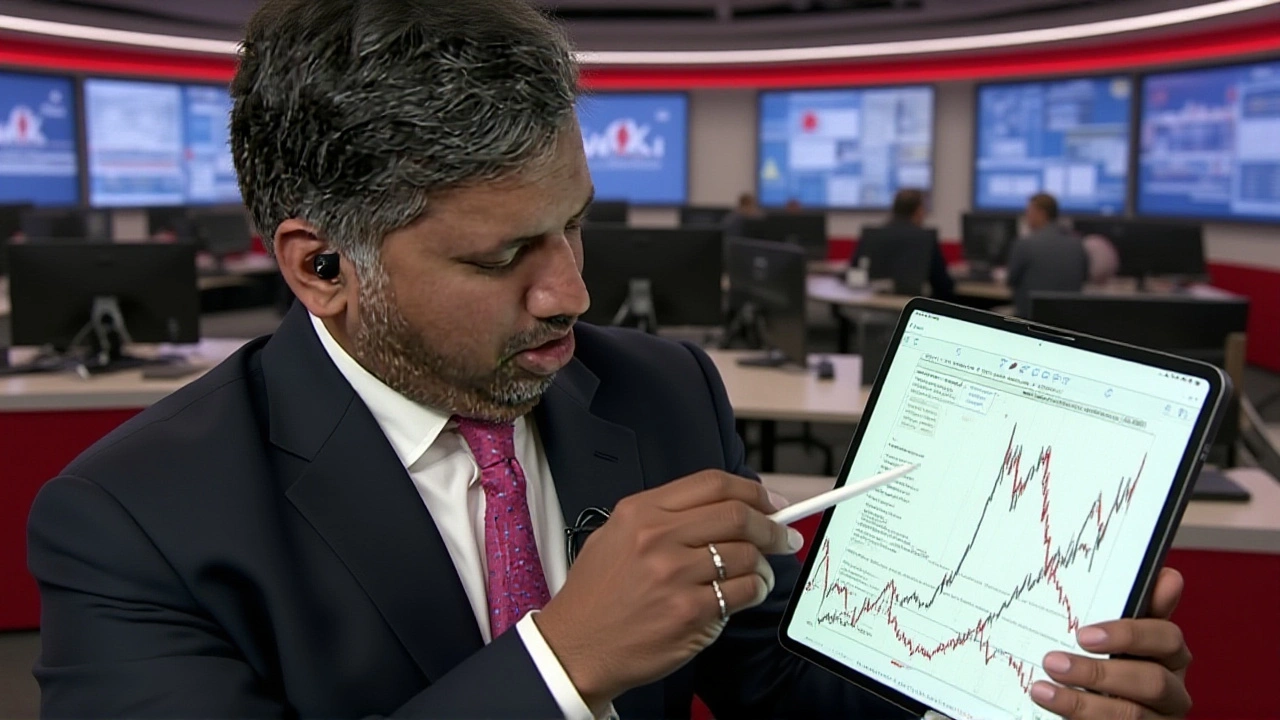
The UK Treasury also slashed the tax-free ISA allowance from £20,000 to £12,000 for under-65s, effective immediately. The goal? Push people into stocks. But here’s the catch: most people don’t know how to invest. And with markets volatile, forcing savings into equities without guidance could backfire. Meanwhile, the £2,000 cap on salary sacrifice pension contributions—starting in 2029—means any amount above that will trigger National Insurance payments from both employer and employee. The BBC says this will raise £4.7 billion. But for a senior engineer earning £80,000 who’s been saving £15,000 a year into a pension? That’s a £1,300 annual hit. No warning. No transition. Just a new tax on planning ahead.
Winners, Losers, and the £150 Energy Promise
It’s not all pain. The government promises a £150 annual drop in household energy bills. Rail fares are frozen. And from April 1, 2026, the minimum wage jumps to £12.71 for workers over 21. But here’s the math: a full-time worker earning the new minimum wage makes £26,460 a year. Before tax. After the ISA cut and pension cap, their take-home pay won’t rise as much as they expect. And if they live in a home worth over £2 million? They’re paying £6,000 more in council tax. The government’s trying to balance redistribution with revenue—but the burden is falling hardest on those who aren’t rich, but aren’t poor either.
Prime Minister Keir Starmer insists the budget will lift hundreds of thousands of children out of poverty. And Helen Miller of the Institute for Fiscal Studies in London called the £22 billion fiscal buffer “a necessary shield.” But Elliott Jordan-Doak of Pantheon Macroeconomics in New York warned: “The fiscal outlook remains perilous.” Why? Because growth is slowing. Inflation is sticky. And now, households are being asked to pay more just to keep the lights on.
What’s Next? The Milkshake Tax and Political Fallout
There’s more. A new “milkshake tax” extends the sugar levy to milk-based drinks from 2028. That’s not just smoothies. It’s chocolate milk, lattes, even protein shakes sold in supermarkets. And it’s not just about sugar—it’s about perception. The government is signaling: if you’re buying sugary drinks, you’re part of the problem. But for working parents buying affordable nutrition for kids? This feels punitive.
Labour is already seeing backlash. Middle-class voters who supported them in 2024 are now asking: “Was this worth it?” Business groups like the CBI are quietly urging review. The Loucas firm in Kent flagged over 20 lesser-known changes that could hit small businesses—especially those using salary sacrifice schemes. The political cost? High. The economic payoff? Unclear.
Frequently Asked Questions
How will the frozen tax thresholds affect my take-home pay?
If your salary rises with inflation—say, from £48,000 to £50,500—you’ll suddenly enter the 40% tax bracket even if your real income hasn’t improved. The Office for Budget Responsibility estimates 8.9 million people will be pushed into higher brackets by 2030, costing the average dual-earner family £1,600 over two years. No raise. Just a tax increase disguised as a cost-of-living adjustment.
Who will be most affected by the mansion tax?
Homeowners in high-value areas like London, Surrey, and parts of Hampshire who bought property 10–20 years ago and now own homes worth over £2 million. Many are retirees or professionals who never expected to pay £6,000 annually in council tax. The tax doesn’t target billionaires—it targets those whose assets appreciated, not their income. This could discourage downsizing and reduce housing mobility across the UK.
Why cut the ISA allowance from £20,000 to £12,000?
The Treasury says it wants to push savings into UK stocks to boost capital markets. But most people use ISAs for emergency funds or retirement, not speculative investing. Cutting the allowance forces people to pay tax on gains they didn’t expect to. With markets volatile and inflation still above target, this could reduce household financial resilience rather than enhance it.
Does the £150 energy bill cut offset the tax hikes?
For a typical household, £150 is helpful—but not enough. The average dual-earner family faces £1,600 in additional taxes over two years. That’s £800 a year. The energy cut offsets just under 20% of that. Meanwhile, the pension cap and ISA reduction hit savings directly. The government’s balancing act is real—but for many, the scales are tipping downward.
What’s the ‘milkshake tax’ and why does it matter?
Starting in 2028, the sugar tax will extend to milk-based drinks containing over 5g of sugar per 100ml. That includes chocolate milk, flavoured yogurts, and protein shakes sold in supermarkets. It’s aimed at reducing childhood obesity—but critics argue it unfairly targets low-income families who rely on affordable, nutrient-dense options. The tax won’t raise much revenue, but it signals a shift in how the government regulates everyday consumer choices.
Is this budget sustainable long-term?
Economists are divided. Helen Miller sees the £22 billion buffer as prudent. But Elliott Jordan-Doak warns that relying on frozen thresholds and pension caps risks stifling productivity. If workers feel their effort isn’t rewarded, they may disengage. And if homeowners stop moving, the housing market freezes. Tax revenue might rise short-term—but economic dynamism could suffer.