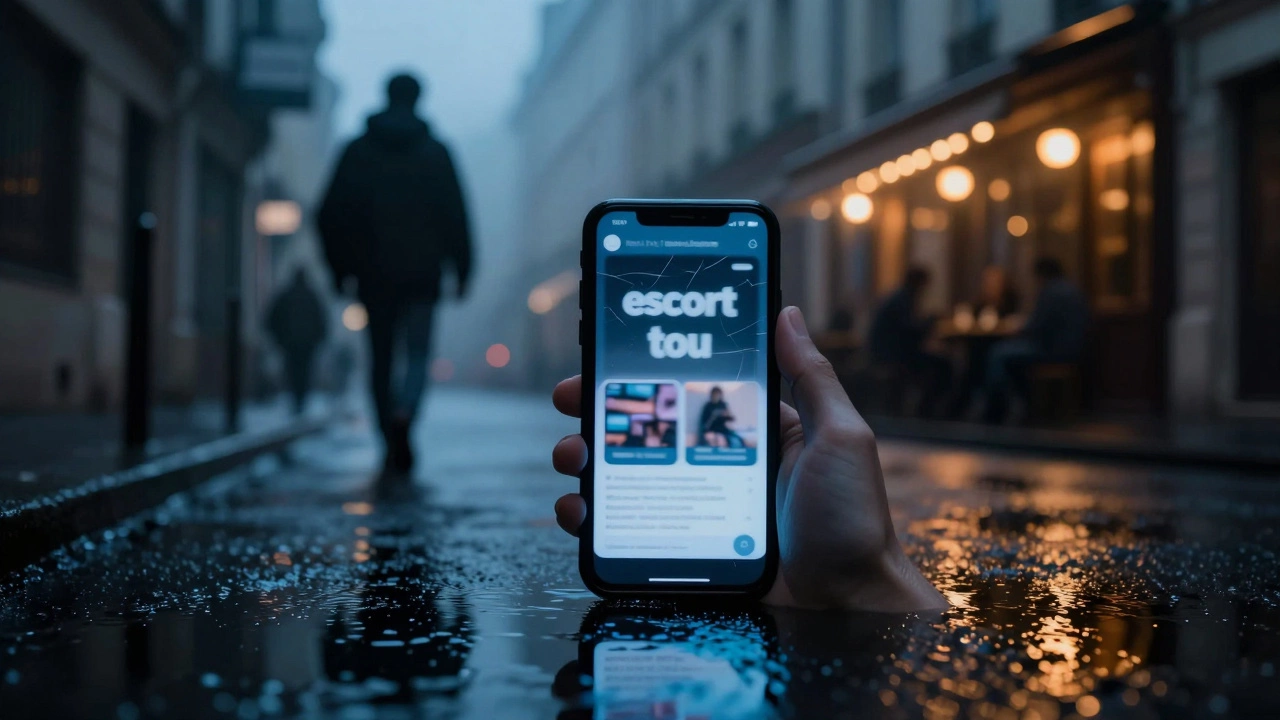
Searching for an escort girl ad in Paris isn’t just about finding a contact-it’s about navigating a space where expectations, legality, and safety collide. Every day, people type phrases like "escort tou" or "escourt paris" into their phones, hoping for a quick connection. But behind those searches are real risks, unclear boundaries, and often, misleading promises. If you’re looking, you need to know what you’re really getting into.
Some ads lead to escorte girle paris services that sound polished, professional, even luxurious. But many are fronts for something far less regulated. Unlike licensed companionship services in countries with clear legal frameworks, Paris operates in a gray zone. Sex work itself isn’t illegal in France, but advertising it, organizing it, or profiting from it is. That means most ads you see online are either scams, unlicensed operations, or bait-and-switch traps.
How These Ads Really Work
Most escort ads in Paris follow the same pattern: high-quality photos, vague descriptions like "discreet meetings," and prices that seem too good to be true-usually between €150 and €400 per hour. The language is carefully chosen to avoid direct references to sex. Words like "companionship," "evening out," or "private time" are used instead. That’s not ambiguity-it’s legal evasion.
When you reply to one of these ads, you’re not talking to a professional agency. You’re likely messaging someone who’s been recruited through social media, often from Eastern Europe or North Africa, with little knowledge of French law or their own rights. Many are under pressure to meet high quotas, work long hours, and avoid police attention. The person you think you’re hiring might be someone who’s scared, isolated, and trapped.
Why "Escort Tou" and "Escourt Paris" Are Red Flags
Spelling mistakes like "escort tou" or "escourt paris" aren’t accidental. They’re intentional. These misspellings help ads slip past automated filters on platforms like Facebook, Instagram, and even classified sites like Le Bon Coin. If you see an ad with these errors, it’s a sign the person posting it is trying to avoid detection-not building a legitimate business.
Legitimate companionship services in Europe don’t rely on typos to survive. They use clear branding, verified profiles, and transparent terms. The ones you find through search engine typos? They’re operating in the shadows. And when something goes wrong-when you get scammed, when the person doesn’t show up, or worse, when the police show up-you’re left with no recourse.

What Happens When You Meet
Meetings arranged through these ads often happen in short-term rentals, hotel rooms, or even cars. There’s no screening, no safety protocol, no way to verify identity. Some people report being asked to pay extra fees on arrival-"transport," "service charges," "discretion fees." Others say they were pressured into services they didn’t agree to. In rare cases, people have been robbed, assaulted, or recorded without consent.
Even if everything seems fine in the moment, you’re still engaging with an activity that’s legally risky. French police regularly conduct sting operations targeting these ads. You could be pulled over, questioned, or even fined-especially if you’re a foreigner. The police don’t care if you thought you were "just hanging out." The law sees it differently.
Alternatives That Actually Work
If you’re in Paris and looking for company, there are safer, legal options. Dating apps like Bumble or Hinge are widely used by locals and visitors alike. Social clubs, language exchange meetups, and cultural events hosted by places like the American Library in Paris or the British Institute offer real connections without the risk. Some expat communities organize casual dinner groups or walking tours-places where you can meet people organically.
There are also licensed companion services that operate under French law. These aren’t escorts in the traditional sense. They’re professional hosts-people who accompany clients to events, provide conversation, offer cultural guidance, or simply share a meal. They’re vetted, insured, and work within clear boundaries. Their websites don’t use misspelled keywords. They don’t hide behind fake photos. And if you call them, they answer with their real names.

What You Should Do Instead
Here’s what works:
- Use reputable dating apps with profile verification
- Join local expat or cultural groups on Meetup.com
- Attend museum openings, book readings, or jazz nights in Montmartre
- Ask your hotel concierge for recommendations on social events
- If you need professional companionship, search for "licensed companion Paris"-not "escort girl ad Paris"
Real connection doesn’t come from a classified ad. It comes from shared experiences, conversation, and mutual respect. The people behind those ads aren’t just service providers-they’re often people trying to survive in a system that doesn’t protect them. You don’t need to be part of that cycle.
Why This Matters Beyond You
Every time you click on an escort ad, you’re feeding a system that exploits vulnerability. Many of the women behind these ads are not there by choice. They’re often victims of trafficking, debt bondage, or coercion. Even if you treat them with kindness, your action still supports a structure designed to profit from desperation.
Paris is a city of art, history, and human connection. You don’t need to pay for companionship to feel it. Walk through the Luxembourg Gardens. Sit at a café in Saint-Germain. Talk to the barista. Say hello to someone who speaks a different language. Those moments are real. They’re free. And they’re the kind of experiences that stay with you.
The next time you think about typing "escort tou" or "escourt paris," pause. Ask yourself: Am I looking for company-or just distraction? There’s a better way.